
Vitaliy Grishko: Testing the Concrete Mixture Market in Wartime
2025-05-30 13:07:30
Market survival through significant losses
— Vitaliy Serhiyovych, how did the war affect the concrete mix market?
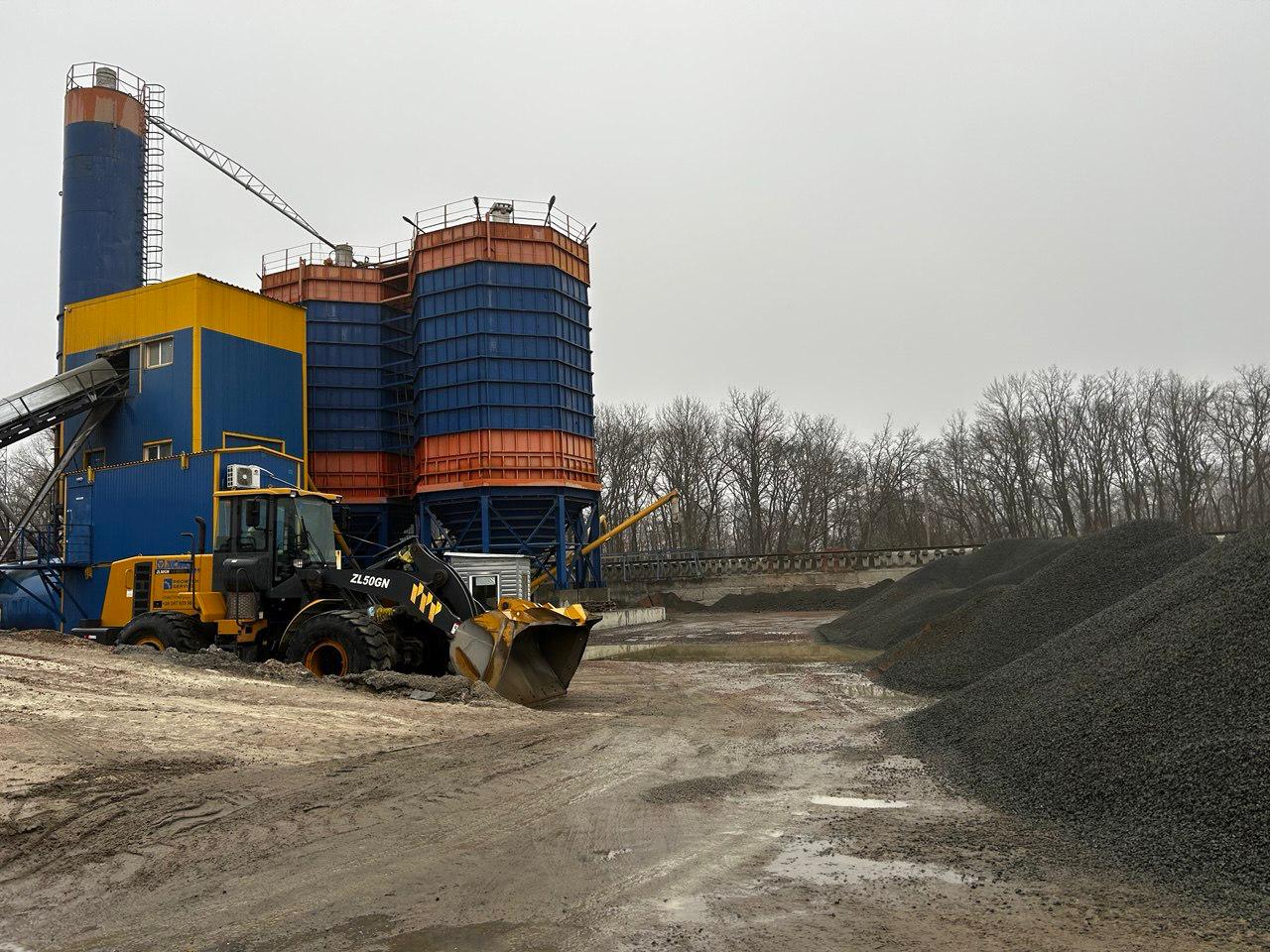
Before the start of the full-scale invasion, the construction sector of Ukraine demonstrated stable growth. The concrete mix market increased by 7–10% every year, and the total volume of ready-mixed concrete production exceeded 20 million cubic meters. The war significantly changed the situation: analysts estimate a market drop of 45–50% in 2022 compared to pre-war indicators.
The main problems were the increase in energy prices and the shortage of personnel, as many specialists went to the front. Despite this, the industry continues to work, which is facilitated by state infrastructure projects and the activity of small construction companies.
How is Region-2001 adapting to the realities of war
— What measures is your company taking to stabilize its work?
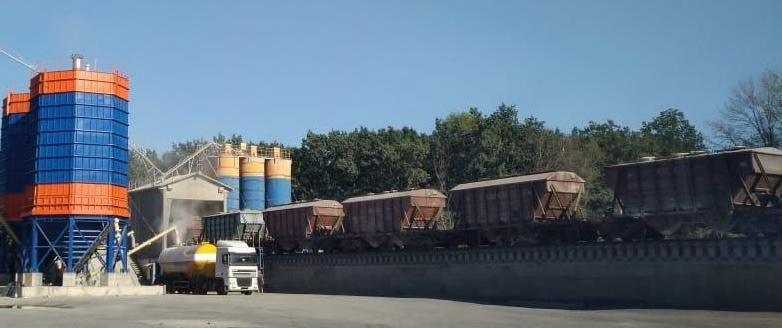
We are forced to respond quickly to challenges. One of our key areas is the transshipment of bulk materials through a railway terminal with a capacity of 500 thousand tons per year. This allows us to ensure stable supplies for important infrastructure projects even in wartime.
Among our partners are companies such as Avtostrada and Azvirt. In addition, we are expanding our own warehouse capacity and building a mobile cement warehouse with a capacity of 7 thousand tons, which will allow us to create strategic reserves and reduce the risks associated with supply disruptions.
Problems with cement supply
— How did the war affect the cement market?
Cement is the main component of concrete, and its shortage has now become an acute problem. Before the war, several large cement plants operated in Ukraine, producing almost 10 million tons of products annually. A significant part of this volume was used on the domestic market.
Due to hostilities, some plants stopped working, and disruption of logistics routes made it difficult to transport cement from other regions. To minimize risks, we invested in the construction of a mobile warehouse that allows us to store cement stocks for several weeks in advance. Once the construction is completed, we will be able to increase our storage capacity by 40%.
 Demand for concrete: regional features
— How has the demand for concrete mixes changed?
Demand depends largely on the region. In western regions, such as Lviv, Ternopil, and Zakarpattia, it even increased due to the construction of housing for internally displaced persons. In 2023 alone, over 500,000 square meters of housing were built in these regions, for which approximately 300,000 cubic meters of concrete were used.
In contrast, the situation is more complicated in the central and eastern regions. Constant shelling and hostilities have led to a decrease in construction volumes. However, critical infrastructure facilities – bridges, roads, railway stations – continue to be restored.
Quality assurance – a guarantee of trust
— How does your company ensure product quality?
Quality control is a priority for us. In 2022, we invested over 3 million hryvnias in the implementation of an automated control system. It covers all stages of production, from the dosing of components to the shipment of finished concrete.
Each batch of concrete is certified in accordance with state standards. For example, in 2023, we carried out over 1,200 laboratory tests, which allowed us to guarantee consistently high product quality.
Energy Crisis and Its Consequences
— How do you address the issue of unstable energy supply?
Concrete production is critically dependent on stable electricity supply. Due to attacks on energy infrastructure, we are forced to look for alternative options to avoid downtime. In particular, we are considering the implementation of backup power systems and the use of alternative energy sources. This will allow us to reduce electricity costs by up to 35% in the long term.
Post-war market prospects
— What trends will determine the future of the industry?
The reconstruction of Ukraine will be the main driver of the development of the construction sector. According to experts, tens of millions of cubic meters of concrete will be needed to reconstruct the destroyed infrastructure. This includes the reconstruction of roads, bridges, airports, residential and industrial facilities.
We are already preparing for this stage. In the next two years, we plan to increase production capacity by 20% and expand the logistics network to ensure uninterrupted supply of building materials for the large-scale reconstruction of the country.